
Cut-to-Length Lines for Steel Coil Processing
A cut-to-length line is designed to process steel coils and convert them into sheets of a specified length. This type of industrial equipment is used by manufacturers that require accurate dimensions, consistent sheet geometry and reliable performance when processing large volumes of metal.
How a Cut-to-Length Line Works
The production process begins with feeding the steel coil into the line. The material is unwound and passes through the working sections of the equipment before reaching the cutting unit. Once the required length is reached, the material is cut into finished sheets.
The quality of the final product depends on more than the cutting system itself. Stable material feeding, proper leveling and accurate machine adjustment all influence the consistency of the finished sheets.
Why Accuracy Matters
Even minor deviations in sheet length or geometry can create additional difficulties during subsequent manufacturing operations. For this reason, manufacturers should consider material handling stability, cutting precision and the ability of the equipment to maintain consistent performance during continuous production.
Flexible machine settings are also important for companies working with different sheet sizes and production requirements.
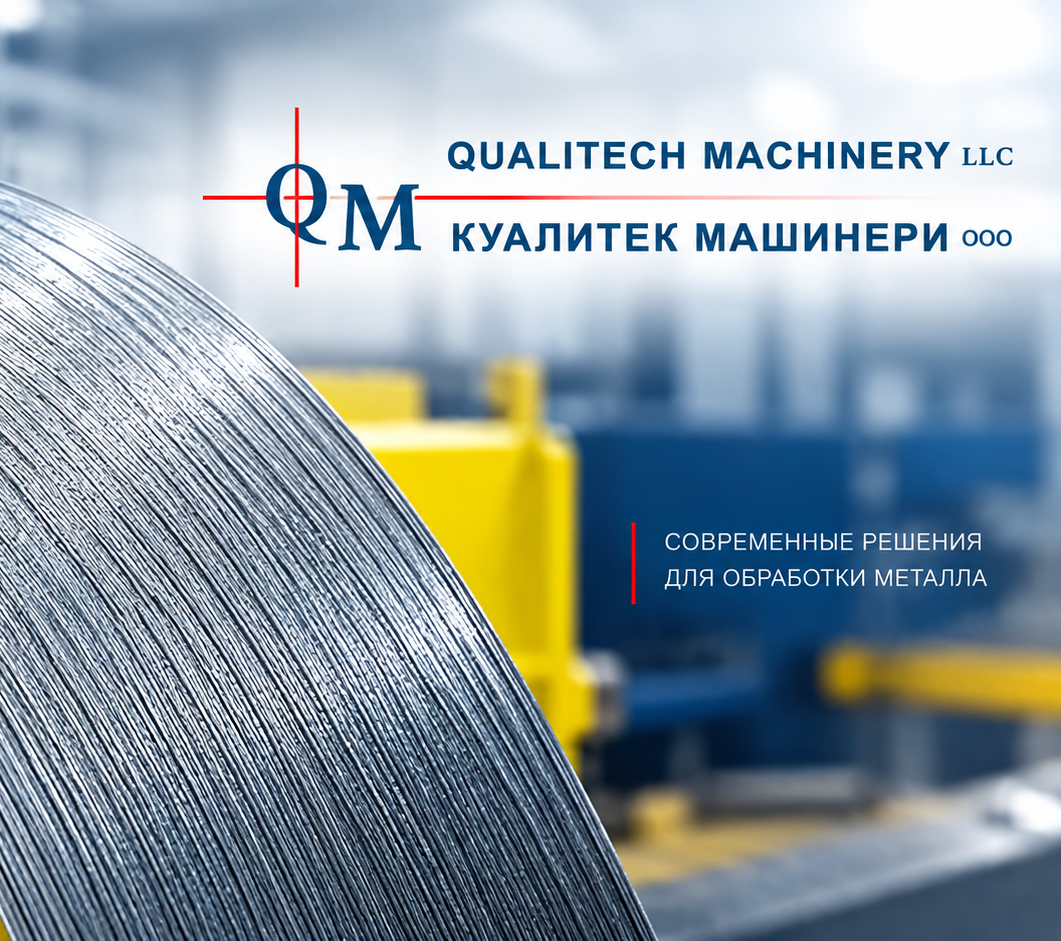
Industrial Equipment Manufactured in Armenia
Qualitech Machinery manufactures industrial metalworking equipment in Armenia. The production process focuses on accurate manufacturing of machine components, reliable assembly and quality control throughout production.
A properly configured cut-to-length line should take into account material thickness, coil width, required sheet length and expected production capacity. Matching these parameters to the actual manufacturing process helps achieve stable and efficient operation.
Choosing the Right Configuration
A cut-to-length line should be selected as a complete production system rather than as an isolated cutting machine. Each section of the equipment must work together to ensure accurate and repeatable results.
The right industrial solution can help reduce production errors, improve material utilization and maintain consistent product quality. For long-term manufacturing operations, equipment selection should also consider future production growth and changing customer requirements.