
Metal Slitting Lines: How They Work and What to Consider
Metal Slitting Lines: How They Work and What to Consider A metal slitting line is used to process steel coils and divide wide metal strip into narrower strips of a specified width. This type of equipment is widely used in the production of metal profiles, structural components, tubes, stamped products and many other applications where accurately prepared material is required.
How a Metal Slitting Line Works
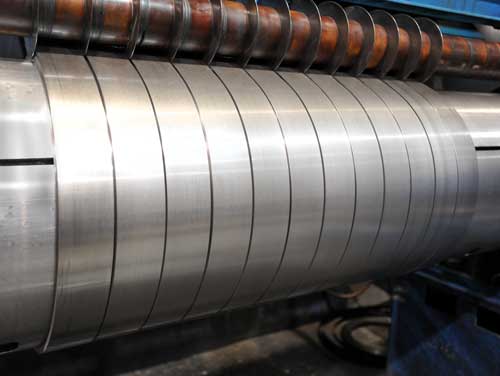
The process begins when a steel coil is placed on an uncoiler. The material is then fed through the production line and passes through the working sections of the equipment. The main operation is performed by the slitting unit, where the metal strip is cut longitudinally into narrower strips.
After slitting, the processed material can be sent directly to the next manufacturing operation or rewound for storage and transportation. The exact configuration of the line depends on the production technology and the customer's requirements.
Key Factors When Choosing Equipment
Several technical factors should be considered when selecting a metal slitting line. These include material thickness, coil width, required strip widths and expected production capacity. The type of metal being processed is also important, as equipment designed for thin sheet steel may require different specifications from machinery used for heavier material.
Cutting accuracy is another essential factor. Consistent strip width helps reduce material waste and simplifies downstream production processes.
The Role of Automation
Modern metal slitting equipment can include automation systems that simplify setup and help maintain consistent operating conditions. Automation is especially valuable in serial production where large volumes of steel coil must be processed efficiently.
The required level of automation should, however, match the actual needs of the manufacturing facility. A smaller operation may not need a highly complex control system, while a large-scale manufacturer can benefit significantly from automated setup and production control.
Choosing the Right Line Configuration
A slitting line should be considered as a complete production system rather than a collection of separate machines. The uncoiler, slitting unit, feeding system and material handling equipment must work together according to the required production parameters.
A properly configured metal slitting line can improve material utilization, maintain stable product quality and support continuous manufacturing. When selecting equipment, manufacturers should consider both current production requirements and future plans for increased capacity.