
Combined Slitting and Cut-to-Length Lines for Metal Processing
Combined Slitting and Cut-to-Length Lines for Metal Processing Manufacturers working with steel coils often need to perform several processing operations before the material is ready for further production. A combined slitting and cut-to-length line can integrate longitudinal and transverse cutting within a coordinated production process.
Two Processing Operations in One System
Metal slitting divides a wide steel coil into narrower strips of a specified width. Cut-to-length processing converts material into sheets according to the required length.
Combining these operations within one production solution can simplify material handling and reduce the number of separate processing stages. The final machine configuration depends on the characteristics of the material and the requirements of the manufacturer.
Key Factors in Equipment Selection
Material thickness and coil width are among the main technical factors to consider. Required production capacity, cutting accuracy and the range of finished products should also influence equipment selection.
Reliable operation depends on the coordinated performance of all machine sections. Uncoiling equipment, feeding systems, cutting units and material handling mechanisms must be configured as parts of a complete production system.
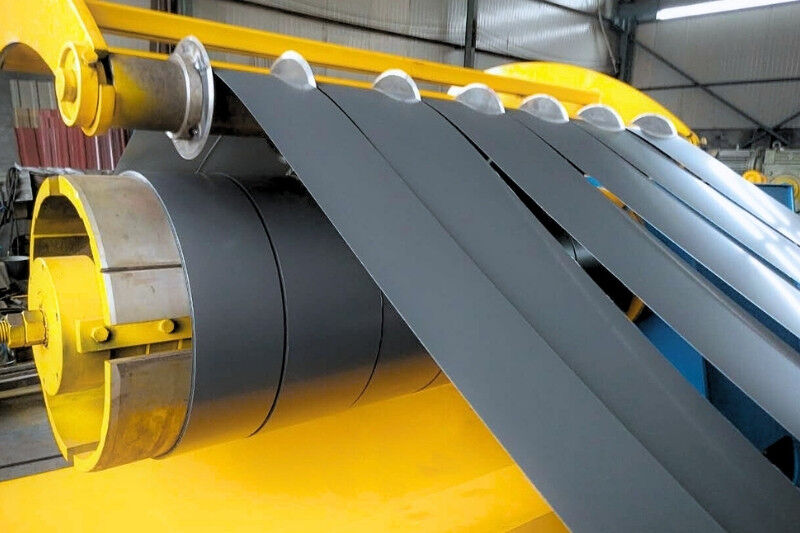
Manufacturing Industrial Equipment in Armenia
Qualitech Machinery manufactures industrial metalworking equipment in Armenia. Engineering and production processes focus on accurate component manufacturing, reliable assembly and quality control at different stages of production.
For manufacturers with specific technical requirements, the ability to adapt a production line to the required material parameters can be particularly important.
An Integrated Approach to Coil Processing
A properly selected combined line helps organize the processing sequence according to the actual needs of the manufacturing operation. Stable equipment performance can improve production consistency and prepare material accurately for downstream processes.
When selecting industrial machinery, manufacturers should consider both current production requirements and future capacity plans. A well-designed production line can provide a flexible foundation for the continued development of metal processing operations.